Is SEO Worth It?

Is SEO Worth It? A Complete, No-Fluff Guide for 2025
Search engine optimization (SEO) has been around for decades, yet businesses still ask the same question every year regarding their visibility in search results in the context of search engine optimization:
Is SEO worth it?
The short answer: Yes—SEO is almost always worth it when done properly, consistently, and strategically. SEO creates new opportunities for business growth, increased revenue, and brand authority by helping your business reach more potential customers through organic search results .
The long answer depends on your goals, your competition, your timeline, and the quality of the SEO provider you choose. In this guide, we’ll break down everything you need to know so you can decide whether SEO is a smart investment for your business.
This comprehensive guide includes:
- What SEO actually is in 2025
- Why SEO is still one of the highest-ROI marketing channels
- How SEO offers sustainable, cost-effective traffic and increased revenue
- Pros and cons of investing in SEO
- How long SEO takes
- The real costs of SEO in North America
- What services are included in an SEO campaign
- What results you should expect
- Common mistakes businesses make
- Frequently asked questions
What Is SEO (Search Engine Optimization) in 2025?
SEO is the process of improving your website and online presence so your business ranks higher on search engines like Google, Bing, DuckDuckGo, and Apple Search.
But SEO is no longer just “adding keywords.” Today, SEO tactics have evolved to include both traditional SEO tactics—like optimizing on-page content and building backlinks—and new strategies tailored to changing digital landscapes, including the use of ai tools . SEO is a complex activity that requires ongoing tasks and strategic actions to adapt to frequent updates in search engine algorithms, which directly influence your rankings and ROI.
Modern SEO involves:
The future of SEO will continue to be shaped by advancements in technology and ongoing changes to search engine algorithms, including those of other search engines .
1. Technical SEO
Ensuring your site loads fast, is mobile-friendly, secure (HTTPS), indexable, accessible, and structured so search engines can understand it.
2. On-Page SEO
Optimizing content, page titles, meta descriptions, headings, internal links, schema markup, and user experience.
3. Off-Page SEO
Building the website’s authority through backlinks, brand mentions, PR, social signals, and online reputation.
4. Content Strategy
Publishing high quality content like blogs, articles, location pages, service pages, and guides that match what people search for.
5. Local SEO
If you run a local business, this means optimizing your Google Business Profile, local citations, google maps rankings, and local content. Optimizing for local searches helps businesses reach their target audience in specific geographic areas. Many local businesses still rely on traditional SEO tactics, such as local search optimization and targeted keyword strategies, to connect with their ideal customers.
6. Conversion Optimization
Turning traffic into leads by improving your site’s layout, offers, call-to-actions, and forms is essential for increasing your conversion rate. Effective SEO can also improve user experience (UX) by optimizing site speed, mobile-friendliness, and navigation, all of which can significantly boost conversions.
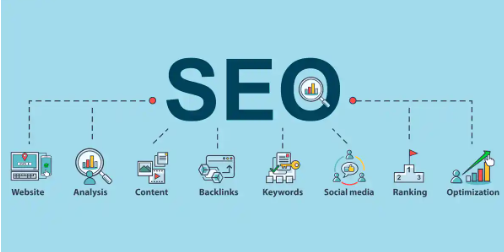
SEO today is a full ecosystem — not just one tactic. When all parts work together, SEO becomes one of the most powerful marketing channels available.
Is SEO Worth It? (The Direct Answer)
SEO is worth it for most businesses because it represents a valuable seo investment :
- drives long-term, compounding traffic
- creates brand trust and authority
- reduces dependence on paid ads
- generates high-intent leads
- builds an asset you own (your website), not rented space (ads)
- offers the advantage of being a long-term, compounding strategy that continues to generate results for the long haul, even after initial work is done
In fact, SEO is a valuable, cost-effective marketing strategy that can drive continuous web traffic, leads, and sales. Unlike paid advertising, SEO can deliver a steady stream of organic traffic to your website without ongoing ad spending. For the long haul, investing in SEO as a long term investment can yield significant returns—some businesses report an average ROI of 550% from long-term SEO efforts.
But SEO isn’t worth it if:
- you need instant results
- you aren’t willing to invest consistently
- your website is outdated and you won’t fix it
- you choose a cheap or unqualified provider
- you don’t have a clear business model or offer
So the real question isn’t “Is SEO worth it?” it’s: “Is SEO worth it for your business, right now?”
Let’s explore this deeper.
The Benefits of SEO (Why It Is Worth It)
1. SEO Drives High-Intent Traffic
Unlike social media or paid ads, SEO targets users actively looking for your product or service.
Someone searching “fencing contractors near me” or “best dentist in Toronto” already wants what you offer.
2. SEO Provides Long-Term Results
Ads disappear the second you stop paying for them.
SEO continues working for months or years after you do the work.
It’s like buying a house instead of renting.
3. SEO Has a Higher ROI Than Most Marketing Channels
Most studies show SEO delivers:
- average ROI of 7x on investment—businesses can measure the effectiveness of their marketing dollars spent on SEO by tracking key performance indicators such as organic traffic, keyword rankings, and especially conversion rate, which reflects how well SEO efforts turn visitors into leads or customers. Calculating ROI for SEO involves comparing the revenue generated from organic traffic against the cost of SEO, and the ROI of SEO is often higher than traditional marketing methods.
- average close rate of 14.6% (compared to 1.7% for outbound marketing)
4. SEO Builds Brand Authority and Trust
People trust Google’s top results. Ranking high makes your brand appear more professional, credible, and established.
5. SEO Improves Your Entire Digital Presence
Because SEO includes:
- website improvements
- faster load times
- improved content
- better user experience
- stronger branding
…it boosts everything else you do online. SEO is also a key component of a comprehensive digital marketing strategy, helping to increase brand awareness and drive more website traffic.
6. SEO Reduces Your Ad Spend Over Time
You can still run ads, but SEO reduces your dependence on them. Many companies cut their ad budget by 30–70% once SEO kicks in, especially when they invest in professional seo services . Compared to pay-per-click advertising, investing in SEO can help you save significantly on advertising costs over time, since organic traffic is generally more trusted by users and you don't have to pay for each click. This makes SEO a cost-effective alternative for building brand awareness and attracting qualified leads without ongoing ad spend.
7. SEO Is Measurable
Tools like Google Analytics, Search Console, and third-party trackers show:
- keyword rankings
- traffic
- conversions
- call tracking
- heatmaps
- engagement metrics
You can literally watch your growth.
The Cons of SEO (Why Some People Think It’s Not Worth It)
SEO isn’t perfect. Here are the downsides:
Many businesses get stuck or hit a revenue plateau when relying only on word-of-mouth or social media ads, and may feel hesitant to try SEO due to difficult past experiences or the perception that SEO is difficult to manage. Some companies question the value of SEO because of its perceived high cost and complexity, and may be hesitant to invest because they believe it takes too long to see results. Skepticism often arises from negative past experiences with low-quality providers or agencies that used questionable methods, leading some to wonder if SEO is a legitimate strategy or just a scam.
1. SEO Takes Time
Most businesses see noticeable results in:
- 3–6 months (low–medium competition)
- 6–12+ months (high competition)
SEO is a marathon, not a sprint.
2. SEO Requires Ongoing Effort
You can’t “set it and forget it.”
Competitors keep improving, Google keeps updating algorithms, and new content always appears.
3. Results Are Not 100% Guaranteed
No legitimate SEO company can promise #1 rankings for specific keywords because Google decides rankings—not humans.
4. You Need a Real Budget
Good SEO costs money. The range of SEO costs can vary widely depending on the size of your website and the complexity of your business, with services typically priced based on the effort required rather than guaranteed outcomes. Cheap SEO often does nothing or harms your site.
5. Google Algorithm Updates Can Affect Rankings
A major algorithm update can help or hurt rankings. Search engine algorithms are constantly evolving, and their volatility can lead to unpredictable fluctuations in rankings and traffic. A strong SEO strategy protects you, but it’s still a factor.
6. Cheap SEO Providers Hurt More Than They Help
Businesses that choose the cheapest provider often experience:
- unethical link building
- thin or duplicated content
- broken technical SEO
- penalties
Some businesses are also concerned that so-called SEO experts may use manipulative tactics, which can harm a website's reputation and rankings.
This leads some people to believe SEO “doesn’t work,” when the truth is: bad SEO doesn’t work.
How Much Does SEO Cost in 2025? (Real Numbers)
Here are the average SEO prices across North America:
SEO costs can vary widely depending on the size of your business and the scope of services you need. In 2024, small businesses in the US typically spend between $500 and $5,000 per month on SEO service providers, while larger businesses may have SEO budgets ranging from $30,000 to $50,000 per month or even higher. Understanding this range is crucial for accurate budgeting.
A typical starter plan for SEO services is $1,300 to $1,500 per month, while comprehensive SEO plans usually range from $5,000 to $10,000 per month. When developing your SEO plan, it's important to include keyword research, pillar pages, supporting blog posts, and a traffic strategy to ensure consistent growth and effective optimization.
On average, digital marketers allocate about 10% of their total marketing budget to SEO, and 80% of Chief Marketing Officers plan to maintain or increase their SEO budget in 2024. SEO experts recommend spending about 5% to 10% of your business's total revenue on SEO.
Monthly SEO Packages
- Small businesses: $500 – $1,500/month
- Local service businesses: $1,000 – $3,500/month
- Medium-size companies: $2,500 – $8,000/month
- Large companies or national SEO: $10,000 – $40,000+/month
SEO Audits
- Basic audit: $300 – $1,000
- Advanced audit: $1,000 – $5,000+
Hourly SEO Consulting
- $75 – $250+/hour (depending on experience)
One-Time SEO Projects
- $1,000 – $20,000+ (depending on size of website and depth of work)
Google Business Profile Optimization
- $300 – $1,500 one-time
- $300 – $1,000/month for ongoing management
Content Writing
- $0.15 – $0.60 per word
- $150 – $800 per blog
- $300 – $2,000 per service page
If a company charges $99/month for SEO, run.
That pricing does not cover legitimate work.
What Services Are Included in SEO?
Every real SEO strategy includes many elements. There are different types of SEO services and agencies, so it's important to choose the one that best fits your business needs. Here are the core services:
1. Technical SEO
- Speed optimization
- Mobile optimization
- Fixing 404 errors
- Crawlability and indexation
- Schema markup (structured data)
- XML sitemaps
- Robots.txt
- Core Web Vitals improvements
- HTTPS security
- Hosting and server improvements
2. On-Page SEO
- Page titles and meta descriptions
- Headers (H1–H3)
- Image compression and alt text
- Internal linking
- Keyword research and content optimization
- URL structure
- Schema markup
- Calls to action and conversion improvements
3. Content Creation
This includes:
- service pages
- blog posts
- location pages
- FAQs
- guides
- landing pages
- conversion copywriting
Content is the engine of SEO.
4. Local SEO (If you serve a local area)
- Google Business Profile optimization
- Review strategy
- Local citations
- Map ranking
- Local keyword research
- Geo-optimized content
- Local landing pages
5. Off-Page SEO
- Link building
- Press releases
- Digital PR
- Backlink outreach
- Social signals
- Brand mentions
- Guest posting
6. Reporting & Strategy
A proper SEO campaign includes:
- monthly reports
- ranking updates
- keyword tracking
- competitor analysis
- heatmaps
- analytics insights
- strategic adjustments
A good SEO provider will work with you to develop a comprehensive SEO plan tailored to your business, and will continually adjust that plan as SEO is not a one-time effort—it requires ongoing maintenance and updates to stay effective.
If your “SEO provider” doesn’t show you what they’re doing, they probably aren’t doing anything.
How Long Does SEO Take?
Most businesses see that the longer you wait to begin your SEO strategy, the longer you wait for results—so it's crucial to understand when to start. Most SEO experts agree that it can take around 6 to 12 months on average before you see a significant impact from your SEO activities, and it typically takes three to six months to see initial results after implementing a comprehensive strategy. SEO success does not happen overnight and is a continual process that requires ongoing optimization. Once SEO starts delivering a return on investment, it works 24/7 for you, unlike paid strategies that require continuous funding.
1–2 Months
- Technical fixes
- Research and planning
- Basic content updates
3–6 Months
- Ranking improvements
- More traffic
- Some leads coming in
6–12 Months
- Multiple keywords ranking
- Strong traffic increases
- Local map pack rankings
- Consistent leads
12+ Months
- Dominant rankings
- Lower cost-per-lead
- High authority website
- Compounding results year after year
SEO is compounding.
The longer you run it, the more powerful it gets.
SEO vs. Paid Ads: Which Is Better?
Both are useful, but for different reasons.
SEO:
Cost - Higher upfront
Timeline - Slow, but long lasting
Longevity - Longterm
Trust Level - Very High
Click through rate - 70%-90% go to organic
Lead Quality - Typically higher intent
Paid Ads:
Cost - Pay Per Click
Timeline - Instant but stops when budget stops
Longevity - Shorterm
Trust Level - Lower
Click through rate - 10%-30% go to ads
Lead Quality - Mixed
The best way to achieve both immediate and long-term results is often to blend SEO with paid advertising. If you need immediate results, then an advertising campaign—like Google or Facebook ads—is the way to go, as SEO is a long-term strategy for growth and brand awareness.
The best strategy: Use paid ads for speed and manage your marketing spend wisely. Use SEO for long-term growth.
Signs SEO Is Worth It for Your Business
SEO is an excellent investment if:
- customers search for your service online
- competitors outrank you
- your business is established
- you have a marketing budget
- you want long-term results
- you want consistent lead flow
- you want to stop relying solely on ads
- you want more authority online
SEO is an ongoing activity that helps businesses grow by attracting targeted traffic, new clients, and increasing sales over the long term. SEO helps businesses not only improve their search engine rankings but also boost website visibility and customer engagement through effective content marketing .
If your business depends on local customers or online leads, SEO is almost always worth it.
Signs SEO Might Not Be Worth It (Yet)
SEO may not be the right investment right now if:
- you need leads this week
- your business model is unproven
- your website is outdated and you won’t update it
- you don’t have the budget for 3–6 months
- you’re in a niche with extremely low search volume
SEO is a growth engine — not emergency marketing.
What Kind of ROI Should You Expect from SEO?
Here are typical ROI numbers:
- Local businesses: 3–15x ROI
- Service industries: 5–20x ROI
- Ecommerce: 2–8x ROI
- National companies: 10–50x ROI
To effectively calculate ROI from SEO, businesses should track performance data using keyword research tools and compare the revenue generated from organic traffic to the total cost of SEO. Aligning SEO efforts with specific business goals helps assess its true value.
Examples:
- A contractor investing $2,000/month in SEO and gaining 10 extra jobs at $4,000/job = $40,000/month in new revenue.
- A dentist investing $1,500/month and gaining 20 new patients = massive lifetime value.
SEO usually becomes the highest-ROI channel in the entire business.
Common SEO Mistakes That Kill Results
These are the most common reasons businesses think SEO “doesn’t work”:
Using the wrong tactics, such as outdated or black-hat methods, is a frequent mistake. For example, we’ve seen stories where a local contractor hired an agency that relied on questionable SEO tactics—like keyword stuffing and buying links from non-reputable sites —which led to a drop in rankings and even a Google penalty. Many companies become skeptical about SEO after negative experiences with agencies that used these traditional SEO tactics, resulting in poor results or even harm to their online presence.
❌ Hiring the cheapest provider
Cheap SEO = no results, spam links, outdated methods, which may lead to businesses reconsidering paying for seo .
❌ Not investing long enough
Stopping after 2 months is like going to the gym twice and quitting.
❌ Not fixing the website
A slow or broken website cripples SEO.
❌ Ignoring content
No content = no keywords = no rankings.
❌ No backlink strategy
You can’t outrank competitors with zero authority.
❌ No Google Business Profile optimization
For local businesses, this is essential.
❌ Unrealistic expectations
SEO takes months, not days.
Frequently Asked Questions About SEO
1. How long does SEO take to work?
Most see results in 3–6 months, with major growth in 6–12 months.
2. How much does SEO cost?
Typically $1,000–$5,000/month for local businesses in North America.
3. Is SEO better than paid ads?
For long-term results, yes.
For immediate leads, ads are faster.
4. Can I do SEO myself?
You can do basic SEO yourself, but full-scale SEO requires:
- technical expertise
- content strategy
- link building
- analytics
- ongoing optimization
Most businesses hire professionals.
5. Is SEO guaranteed?
No ethical provider can guarantee rankings.
6. Why is SEO so expensive?
Because it includes:
- technical development
- content creation
- design
- strategy
- link outreach
- local optimization
- analytics
SEO is dozens of moving parts — not one task.
7. Is SEO still relevant in 2025?
Absolutely.
Search engines still drive the majority of online traffic.
8. What if my industry is competitive?
Then SEO is even more valuable — that’s where the money is.
So… Is SEO Worth It? (Final Verdict)
Yes — SEO is worth it for nearly every established business that wants:
- steady long-term growth
- consistent leads
- less dependence on ads
- higher online authority
- lower cost-per-lead
- a stronger digital presence
SEO is not a quick fix. It’s an investment that compounds over time, building an asset that continues delivering results year after year.
Looking forward, businesses that continue to invest in SEO position themselves for ongoing growth and future success as search trends and digital competition evolve.
When done properly, SEO becomes the most profitable marketing channel in your entire business.
Ready to work with Nova DigitalWorks?
Let's connect! We’re here to help.
Send us a message and we’ll be in touch.
Or give us a call today at 2267995575
Agency Contact Form
More Marketing Tips, Tricks & Tools