
Google & Social Media Advertising
A quick fix for temporary results in lead generation
*Rank now while you build your organic rankings (i.e. SEO)*
Benefits of Paid Advertising:
Immediate Visibility
Paid ads can quickly reach an audience, unlike organic lead generation (i.e. SEO) which can take time.
CPC (cost per click) is great if you want to increase leads
Audience Selection
Certain platforms allow you to target specific people, interests, behaviours, and keywords. This helps your ads be seen by who you want.
Analytics Tools
Strong analytics tools that can track performance, allowing you to see exactly what's working and what isn't.
Cost Control
The more you invest in ads, the more it will get put out there and effective your ads will be.
Budgeting is flexible, whatever you put in, you will see some result back.
Cost Per Click Vs Cost Per Impression
Cost Per Click (CPC)/Pay Per Click (PPC)
CPC ads are ideal if you want to use paid advertising for lead generation.
Cost Per Impression (CPM)
CPM ads are ideal if you just want your business to become more recognized and more people to be aware.
Our Process:
- Researching: We look into your industry, competitors, target audience, and keywords. For keyword research, we identify what keywords are searching for the most and what would be the most relevant for your business.
- Budgeting: We figure out what it would take to use the ads to the most while staying within your budget
- Campaign Setup: We set up your Google Ad or Social Media ad campaigns
- Writing & Designing: We write compelling content that resonates with your target audience to drive leads to convert. This includes persuasive/engaging content with unique selling points and calls to action.
- Targeting Audience: With Social Media Ads (namely Facebook), we can set up very targeted ads to a specific audience (age, gender, passions, interests, etc.).
- Optimizing: We continually monitor and optimized the ad campaigns. This includes adjusting targeting and bidding strategies.
- Conversion tracking: We monitor the conversion rates through inquiries, purchases, and so on to enhance their performance
- Reporting: We provide transparent reports that show campaign performance, ROI, and ongoing improvements
Google Ads VS Social Media Ads
Google Ads
Intent-based advertising
User Mindset: Active searching, looking for specific services/products.
User Intent: High immediate purchase intent; demand needs to be captured.
Method: Ads are triggered by specific keywords the user types into the search bar.
Ad Format: Primarily text-based ads that blend in with organic Google search results.
Goal: Immediate conversions, leads, sales, driving traffic to your website.
Pros & Cons
- Immediate visibility and exposure for your business (Ad goes to top of Google search bar).
- Reach people actively searching for similar products or services.
- Cost effective (CPC/PPC - only pay when someone clicks on your ad).
- Ability to track conversions and measure return on investment.
- Access to extensive data and analytics to optimize campaigns.
- It can be highly competitive, increasing costs per click (CPC).
- Requires ongoing management and optimization to maintain campaign performance.
- Limited ad format options, primarily text-based ads to blend in with Google searches.
- People may ignore or skip over ads displayed above organic search results
Summary:
Google Ads are great for immediate visibility/exposure
*Note: You may need a higher budget in order to compete with other businesses similar to yours
Social Media Ads
Interruption advertising
User Mindset: Passive browsing, engaging with friends/content.
User Intent: Low purchase intent; demand needs to be created.
Method: Ads are targeted based on people, interests, and behaviours.
Ad Format: Highly visual (images, videos, deals) to grab attention.
Goal: Typically brand awareness, engagement, nurturing leads over time.
Pros & Cons
- Wide range of ad formats, including video and images.
- Ability to target specific audiences based on people, interests, and behaviours.
- Cost-effective for reaching highly targeted audiences.
- Provides opportunities for engagement and interaction with potential customers.
- Retargeting options allow business to reach people who have already interacted with them
- Ad fatigue can occur if users are repeatedly shown the same ad, resulting in lower engagement rates.
- Social media algorithms can change frequently, affecting campaign performance.
- Campaigns can be expensive if targeting a broad audience or using high-cost ad placements.
- ROI can be difficult to track, as social media campaigns often focus on engagement rather than direct conversions.
Summary:
Social Media Ads are great for brand/business awareness (i.e. CPM - Cost Per Impression), engaging with potential customers, and have a smaller budget
*Note: You need to have a compelling ad to interrupt people's scrolling so that they will take a look at your services/product
Immediate vs. Long-Term Results in Digital Advertising and Ad Spend
Google Ads and social media ads are powerful tools for generating immediate results. They allow businesses to quickly reach their target audience, increase brand visibility, and drive traffic to their website or social media pages. Unlike organic marketing efforts that take time to build momentum, paid advertising delivers faster outcomes by placing your brand in front of potential customers instantly.
However, while these ads can generate quick leads and conversions, their effects are not permanent.
Once you stop running ads, the traffic and engagement they generate will also decrease. This is because paid advertising is based on continuous investment—when the budget is paused, so is the exposure.
To make the most of digital advertising, businesses should have a well-structured plan that includes both paid and organic marketing strategies. Paid ads provide an instant boost, helping businesses capitalize on trends, promotions, or urgent sales needs. Meanwhile, organic methods such as SEO and content marketing build credibility and ensure long-term brand sustainability.
Another key aspect is audience targeting. Paid ads allow for hyper-specific targeting based on demographics, interests, and behaviors, ensuring that the right people see your content. However, a well-established organic presence creates a consistent customer base that engages with your brand over time, reducing dependency on paid ads.
At Nova DigitalWorks, we help businesses balance short-term and long-term digital marketing efforts for sustained success.
Google Ads ROI Expectations
Google Ads ROI expectations can vary depending on industry, target audience, and campaign goals. Here are some general guidelines to help set realistic expectations:
- Average ROI: Businesses can typically expect an average ROI of 2:1 to 5:1, meaning for every dollar spent on Google Ads, you can expect to generate $2 to $5 in revenue. This can vary based on industry and campaign goals.
- Conversion Rate: Aim for a conversion rate of 2% to 5%, depending on your industry and the competitiveness of your keywords. Higher conversion rates indicate that your ads and landing pages are effectively driving desired actions.
- Cost Per Conversion: Expect a cost per conversion of $10 to $50, depending on your industry and campaign goals. This metric helps ensure that you’re acquiring customers at a reasonable cost.
- Return on Ad Spend (ROAS): Aim for a ROAS of 200% to 500%, meaning for every dollar spent on advertising, you generate $2 to $5 in revenue. This metric helps assess the overall profitability of your campaigns.

Google Ads
FAQ
What is Google Ads, and how does it work?
Google Ads is an online advertising platform where businesses can display ads on Google search results, YouTube, and other partner websites.
It works on a pay-per-click (PPC) model, meaning you only pay when someone clicks on your ad.
Google Ads are intent based - meaning people are already looking for your services
How much does it cost to run a Google Ads campaign?
The cost of Google Ads varies based on factors such as industry competition, keywords, targeting options, and budget settings. You can set daily or monthly budgets to control spending.
How do I know if my Google Ads campaign is working?
Performance can be measured using key metrics such as clicks, impressions, conversion rates, and return on ad spend (ROAS).
How long does it take to see results from Google Ads?
While some businesses see immediate results, most campaigns require at least a few weeks to gather enough data for proper optimization. Continuous adjustments improve performance over time.
Can you target specific locations with Google Ads?
Yes, Google Ads allows geographic targeting, meaning your ads can appear only to users in specific cities, regions, or even within a certain radius of your business.
Social Media
FAQ
What social media platforms do you advertise on?
We create and manage social media ad campaigns on Facebook, Instagram, LinkedIn, X, and YouTube, depending on your business goals and audience.
How do social media ads work?
Social media ads use detailed audience targeting to display ads to users based on their interests, demographics, and online behavior. These ads can be image-based and video ads.
Social Media Ads are interruption based ads - meaning they are interrupting users as they are scrolling social media.
This works great if you have a compelling offer
What is the minimum budget required for social media advertising?
There is no fixed minimum, but we recommend starting with at least $500-$1,000 per month to see the best results.
How do I choose the right platform for my business?
The best platform depends on your target audience and business goals. For business to business marketing, LinkedIn is effective, while Facebook and Instagram are great for business to customer brands.
How do you track the success of social media ad campaigns?
We track engagement, click-through rates (CTR), conversions, and customer interactions. Using advanced analytics, we continuously refine campaigns for better performance.
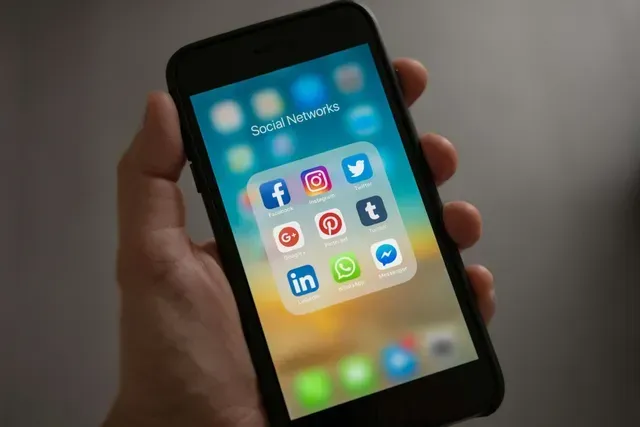
Social Media Marketing Ontario: Connecting With Audiences Where They Engage The Most
Facebook Advantages:
Ideal for targeting very specific audiences (i.e. age, gender, location, language, education, work, financial, interests, etc.)
Effective for driving traffic, increasing brand/business awareness, and overall generating leads.
Instagram Advantages:
Ideal for a visual business: encouraging engagement through creating visually appealing content (reels). It can also generate website traffic and conversions.
X Advantages:
Ideal for blending paid ads with natural organic content.
LinkedIn Advantages:
Ideal for business to business marketing by reaching specific audiences based on job title, industry and company size.
They are particularly effective for reaching decision-makers and promoting business-related content..
YouTube Advantages:
Effective for connecting with audiences through video content. Its targeting capabilities are also highly specific.